About Us

WELCOME TO HIIT

About Our Institution

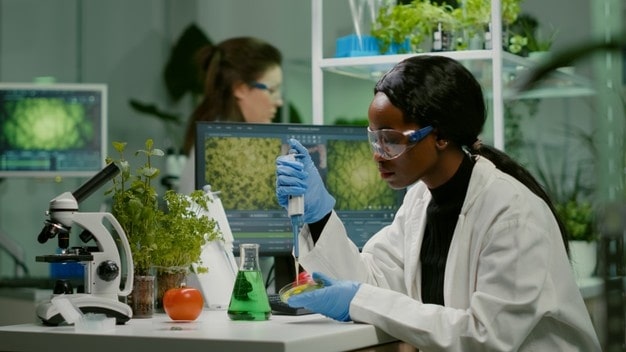
Welcome to Homeland Institute of Innovation Technology, a home of innovations leading to new-generation professional skills—the ultimate tool for transforming the economy of developing countries.

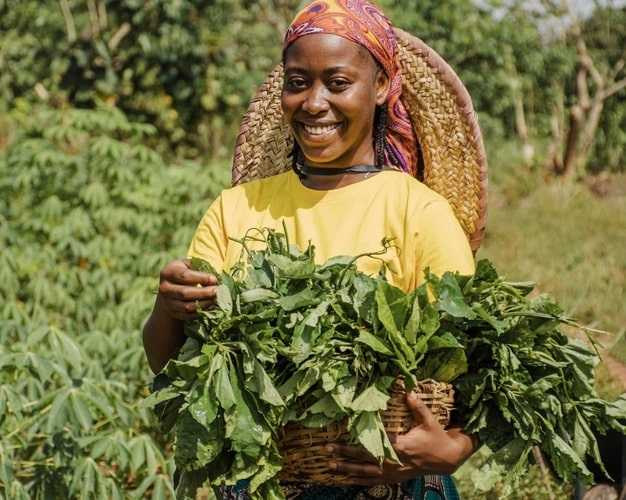
We adapt proven agricultural technologies from successfully developed nations and transfer them directly to our local farmers to optimize their yields.

We are leaders in agritech, training large- and small-scale farmers in quality agricultural production, value addition, and connecting them to local and international markets for processed and finalized agricultural products.

Responsive image
HOMELAND INSTITUTE OF INNOVATION TECHNOLOGY

Our objective is to promote fair trade between farmers and consumers while doing away with the volatile raw materials market that has caused many farmers to languish in poverty.

Hunger is both a cause and an effect of poverty; as long as people lack enough food to eat, their response to development opportunities will remain futile. To break the poverty cycle, food security must be our top priority, and agriculture must remain the foundation of our economy.

UNAPOLOGETICALLY INNOVATIVE

OUR MANAGEMENT TEAM

Justine Magara

CEO and Founder

Mary Otwori

QC Officer

Reborn Nyaswabu

ICT Manager

Wildah Kwamboka

Field Resource Director

Peter Ongori

Director of Animal Husbandry and Livestock

Arnold Nyakambi

Director of Agricultural Production and Food Security

Michael Momanyi

Director of Land Mapping and Landscaping

Richard Orina

Director of Utility Engineering and Energy

Hellen Kamau

Director of Training and Capacity Building

Why Be Part of Us?

We are an educational outreach institution in Kenya committed to community empowerment through programming and consultation in agriculture, waste management/circular economy, sustainable clean water supply, and environmental conservation.

Plant

FARMING OBJECTIVES

Our objective is to promote fair trade between farmers and consumers while doing away with the volatile raw materials market that has caused many farmers to languish in poverty.

To effectively provide training in agriculture and related disciplines in order to meet the labor demands of the sector.

To promote the development of sustainable domestic and foreign markets for agricultural commodities in order to enhance access and revenue generation.

To promote and strengthen the efficient and effective management of agricultural production and productivity to ensure sustainable household and national food and nutrition security, as well as increased incomes.